The concepts of rebirth and transformation cycle have been fundamental to philosophy, mythology, and religion, offering diverse perspectives on the cyclical nature of life and existence. All in search of a meaning of our being. From the river metaphor of Heraclitus to Nietzshces ‘Amor Fati’, from Persephone’s return from the underworld bringing the spring to earth to Phoenix perishes in flames only to rise from its ashes. From Heidegger seeing death as a necessary passage and integral part of human life, to samsara in Buddhism and Hinduism, representing the cycle of birth, death, and rebirth. And the reflections of transformation in all other religions. The concept of transformation reaches much beyond the metaphysical and into the domains of identity, technology, and social change in modern world. For instance, Bauman's idea of liquid modernity supports this ongoing change by contending that, in the fast changing environment of today, change defines our life rather than being only unavoidable. Our relationships, identities, and values no longer hold firm; instead, they flow and adapt, shaped by the uncertainties of modern life.
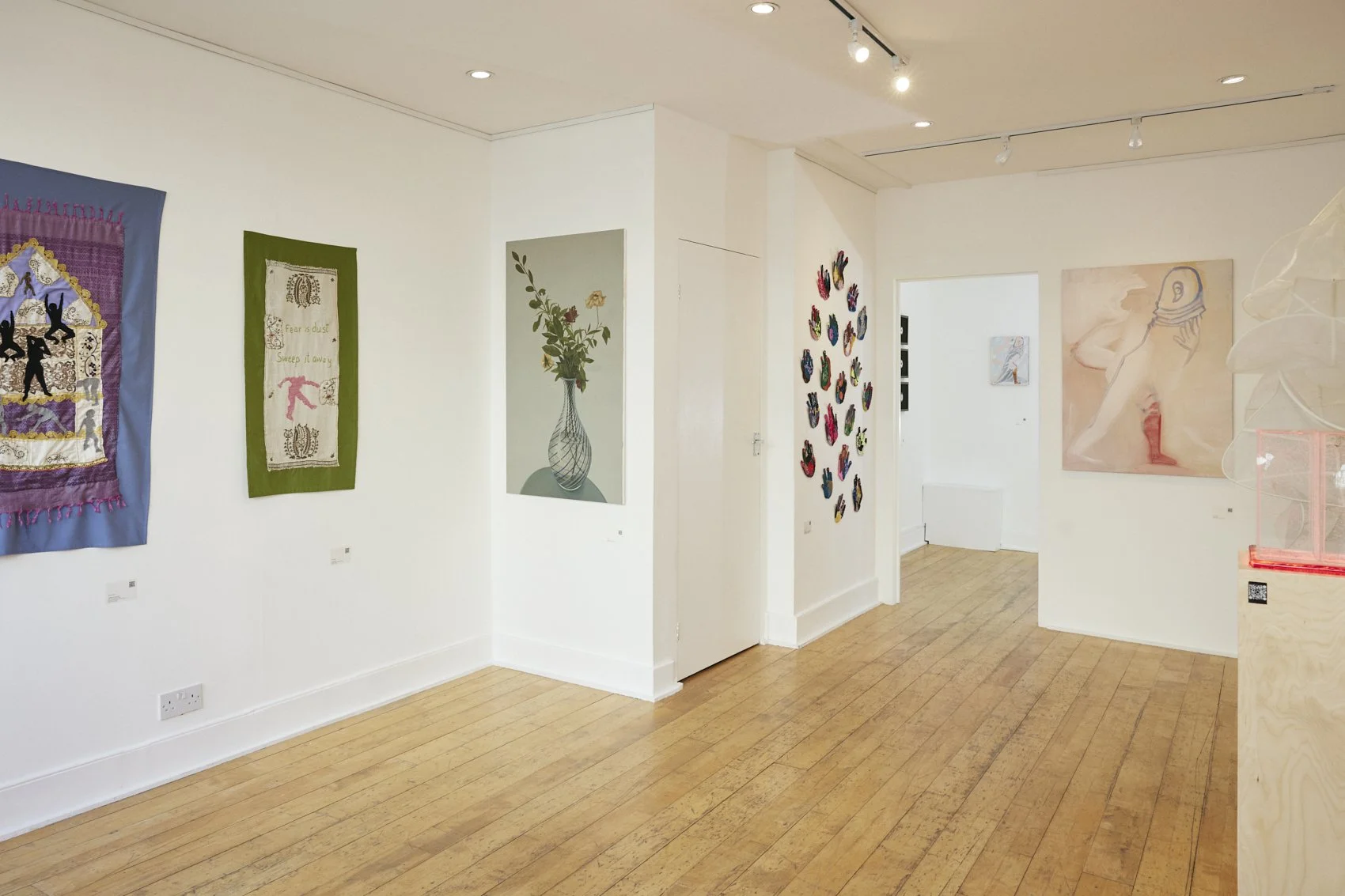
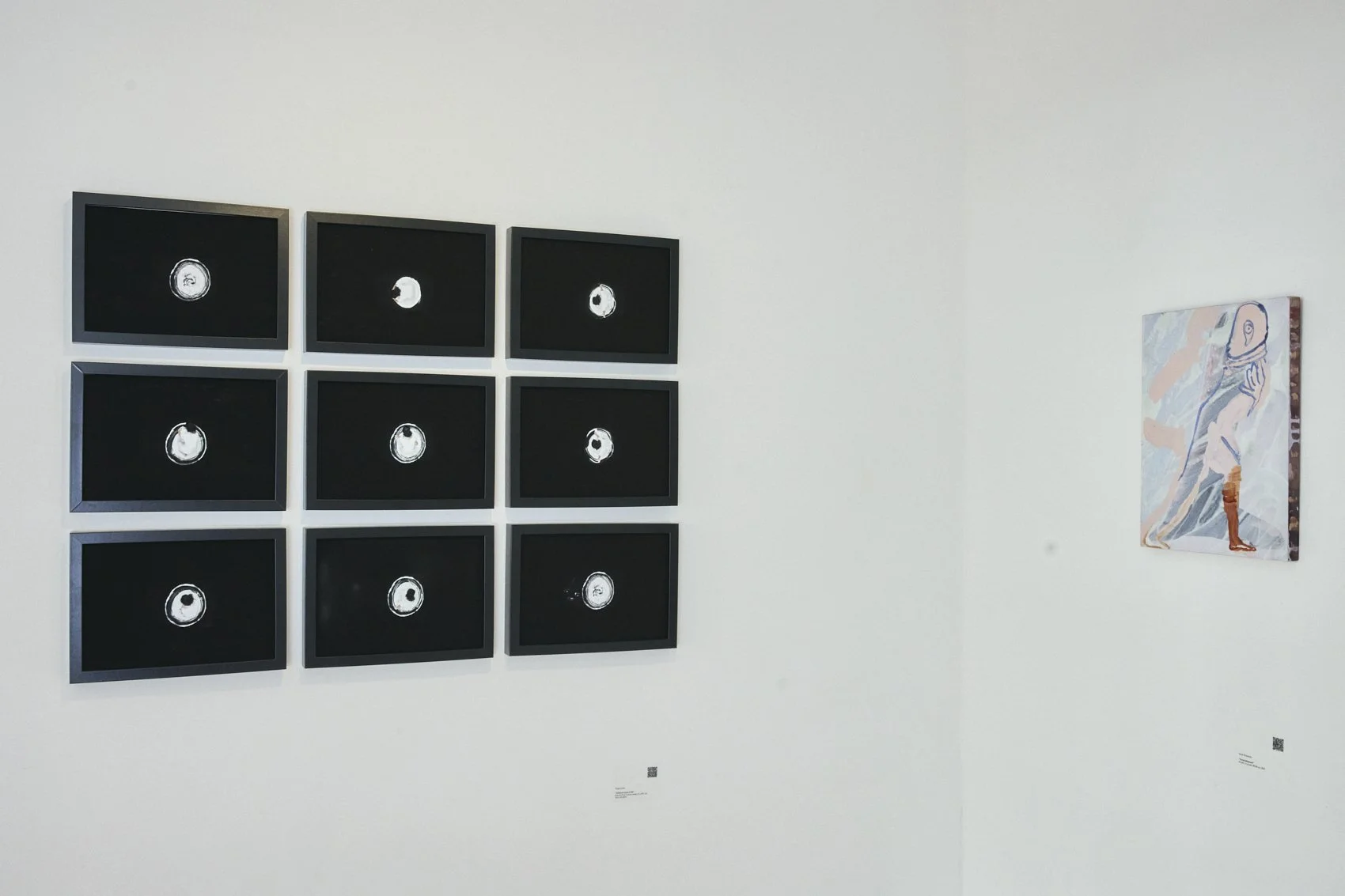
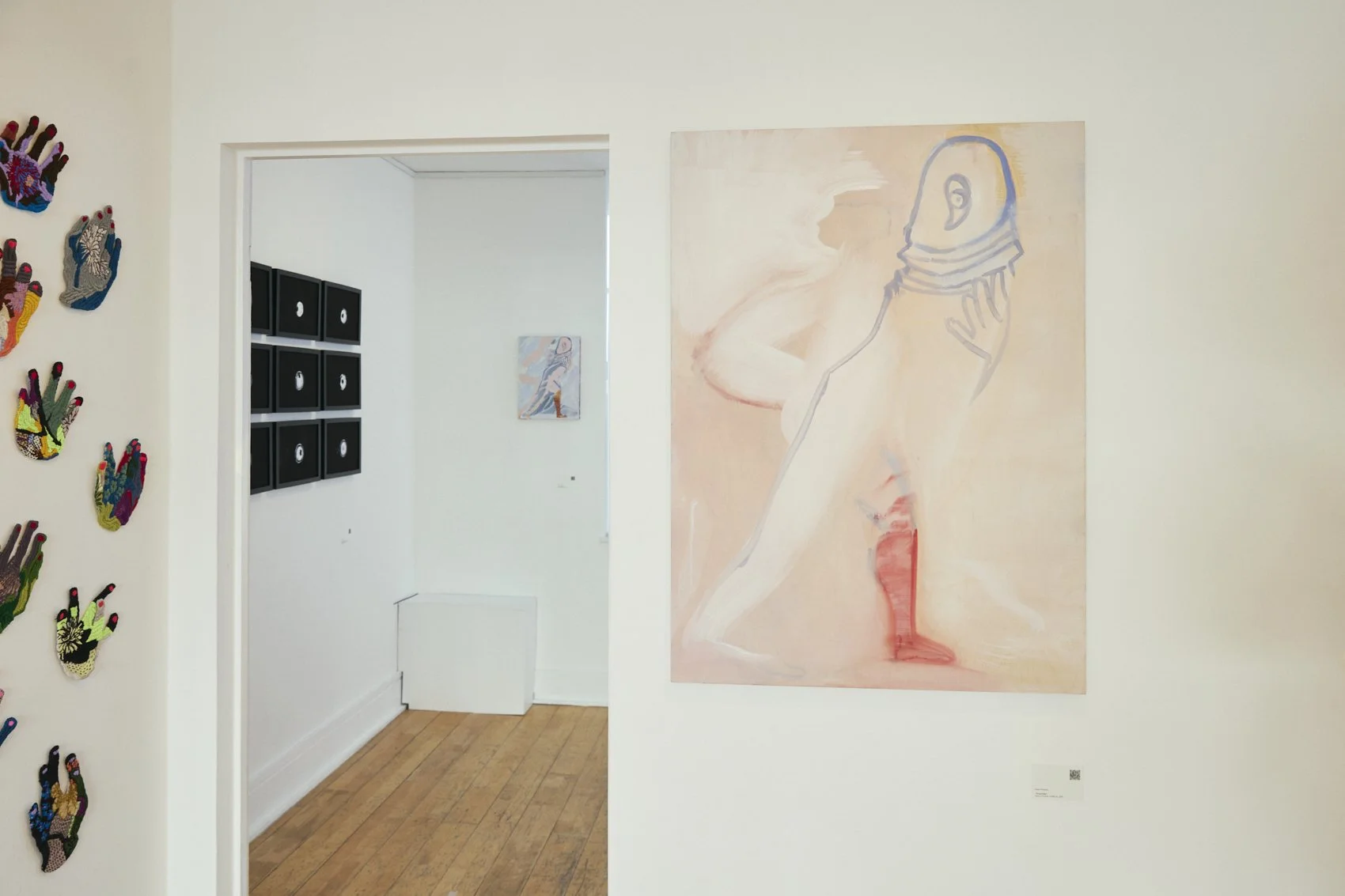
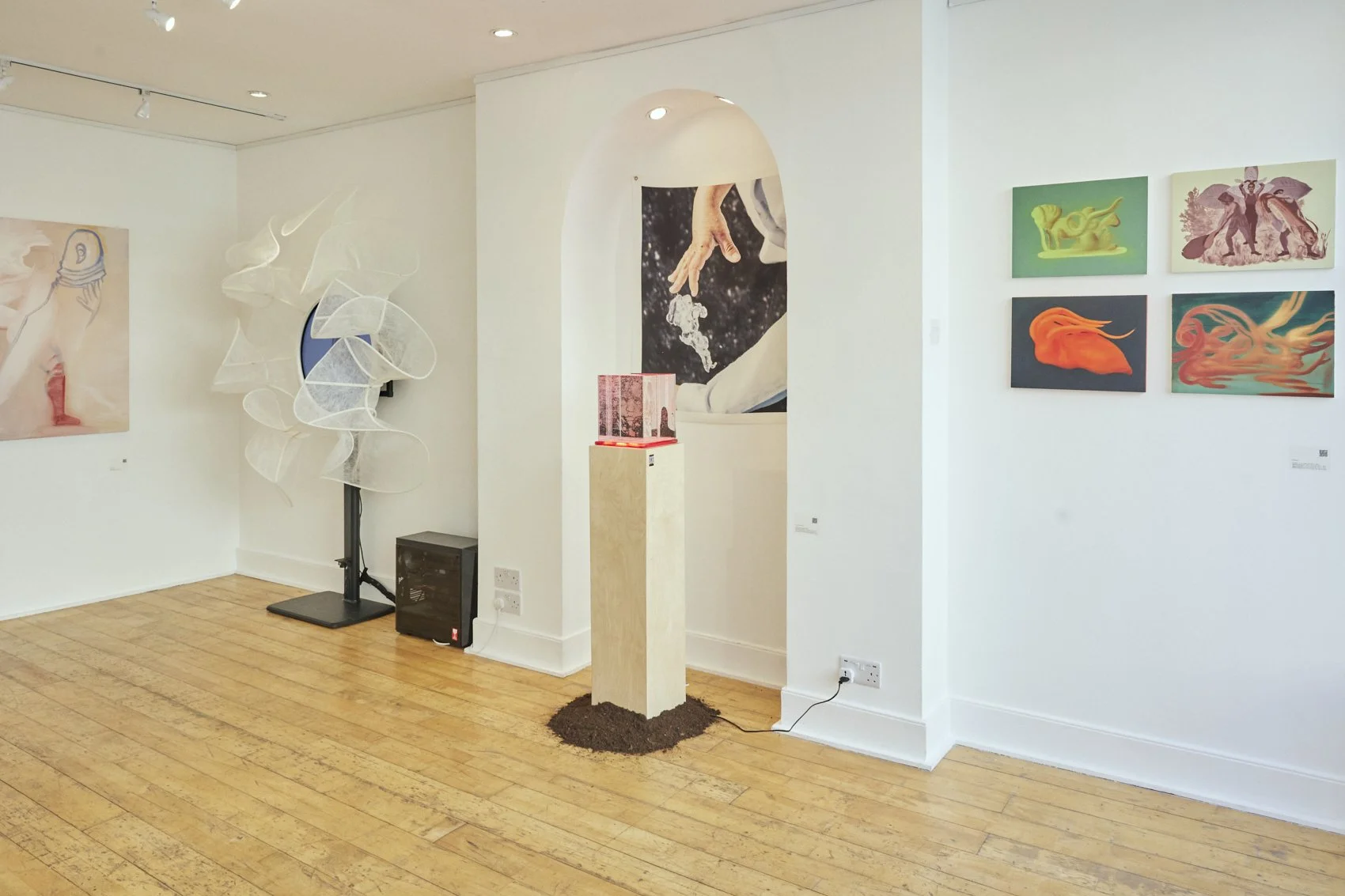
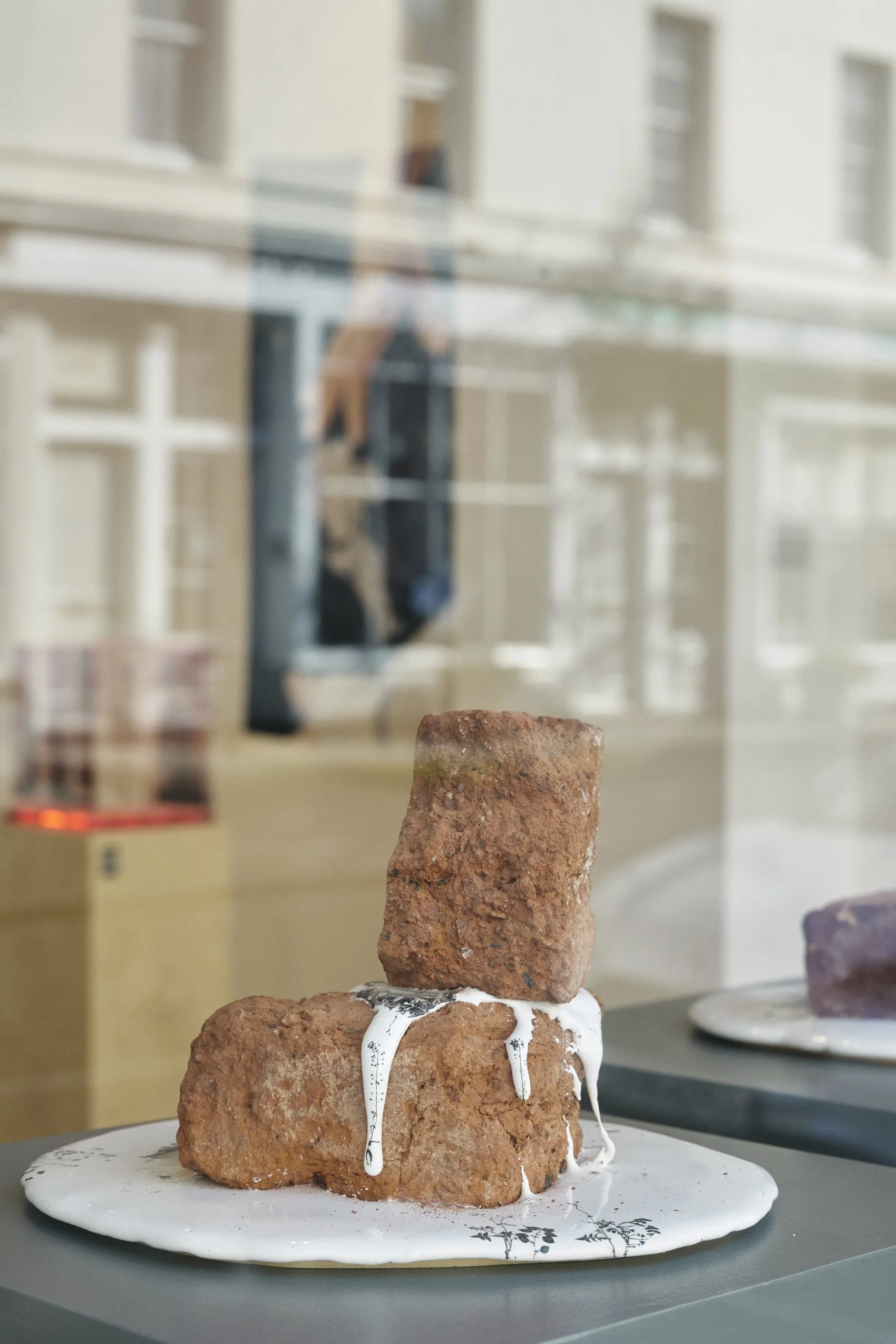
The exhibition Chrysalis of Rebirth brings together artists and their works where they explore rebirth and metamorphosis either through personal and collective narratives. It does not aim to reframe rebirth or transformation as a rejection of the past. It explores how existence is continuously reshaped in pursuit of a more meaningful existence. It also invites the audience to look into their transformation and create a shift in their perception of transformation. Nancy Atakan’s textile works ‘Gliding Through Life’ and ‘Fear is Dust’ challenge our perception of time and memory, using heirloom fabrics to evoke intergenerational narratives of womanhood and resilience. Memories of former female artistic endeavors support her as her life plays out on a background of needlework from older generations. Her works parallel Burçak Bingöl’s ‘Brick’s Reverie’ series, where found bricks from the demolished Bomonti Brewery carry imprints of past structures, merging fragile decay with the endurance of material history. Bingöl’s work, much like Atakan’s, reflects on the impossibility of preserving a singular moment, highlighting the transformation of both physical and cultural landscapes. Similar to Ahu Akgün’s ‘I Want Them To Live XIV’, where vessels filled with “enchanted waters” attempt to preserve the past, only to give away to the inevitability of decay.
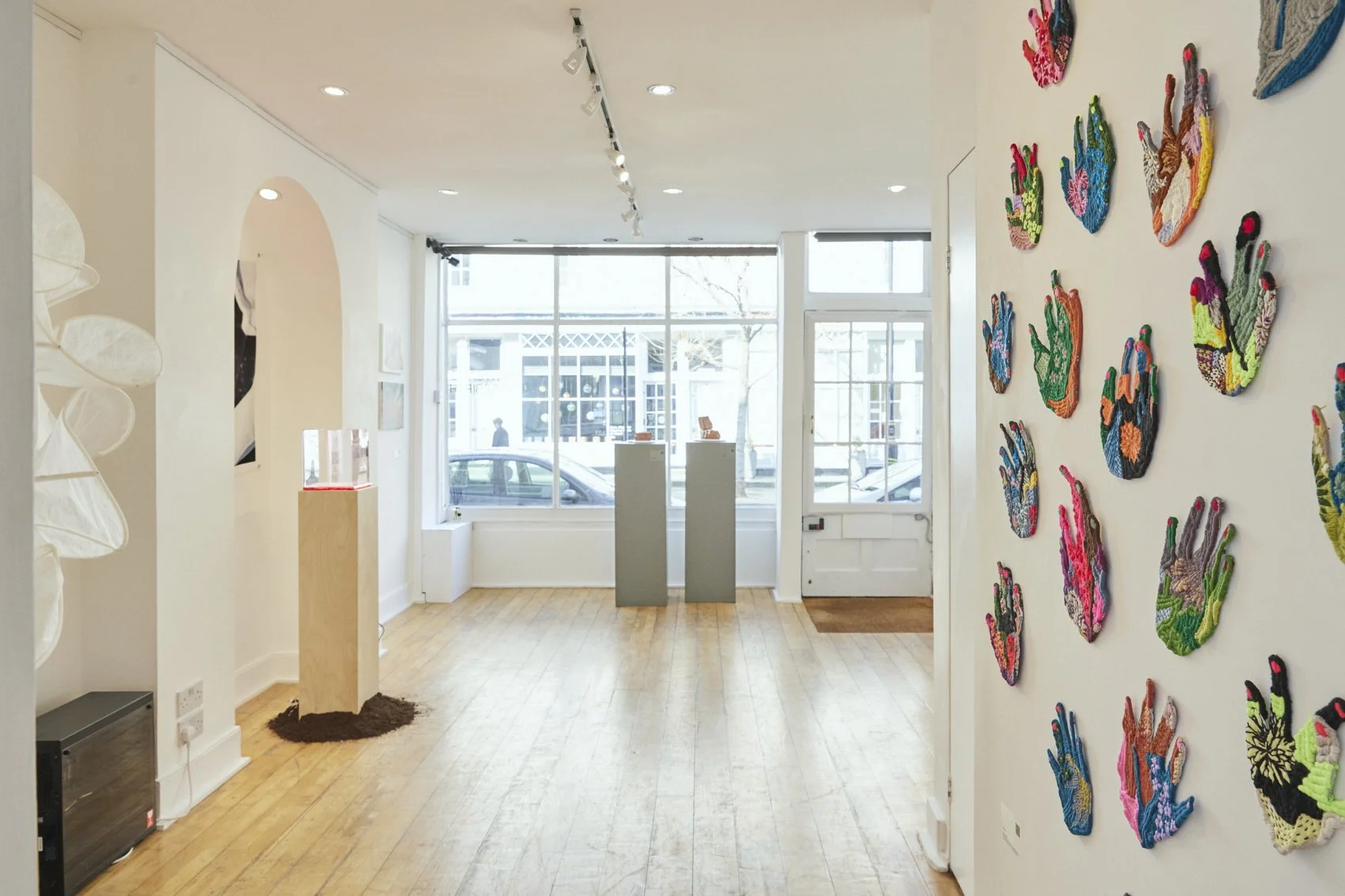
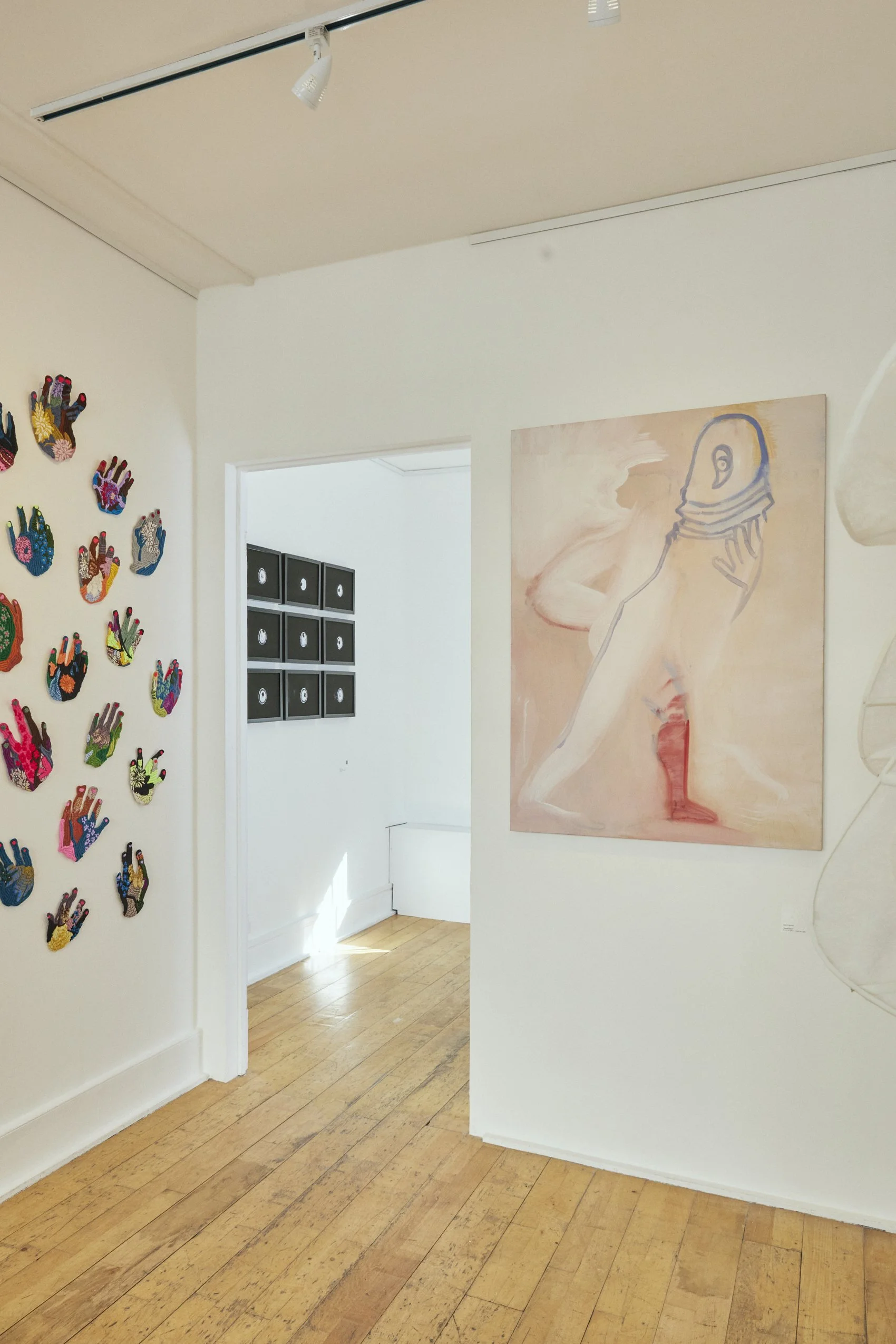
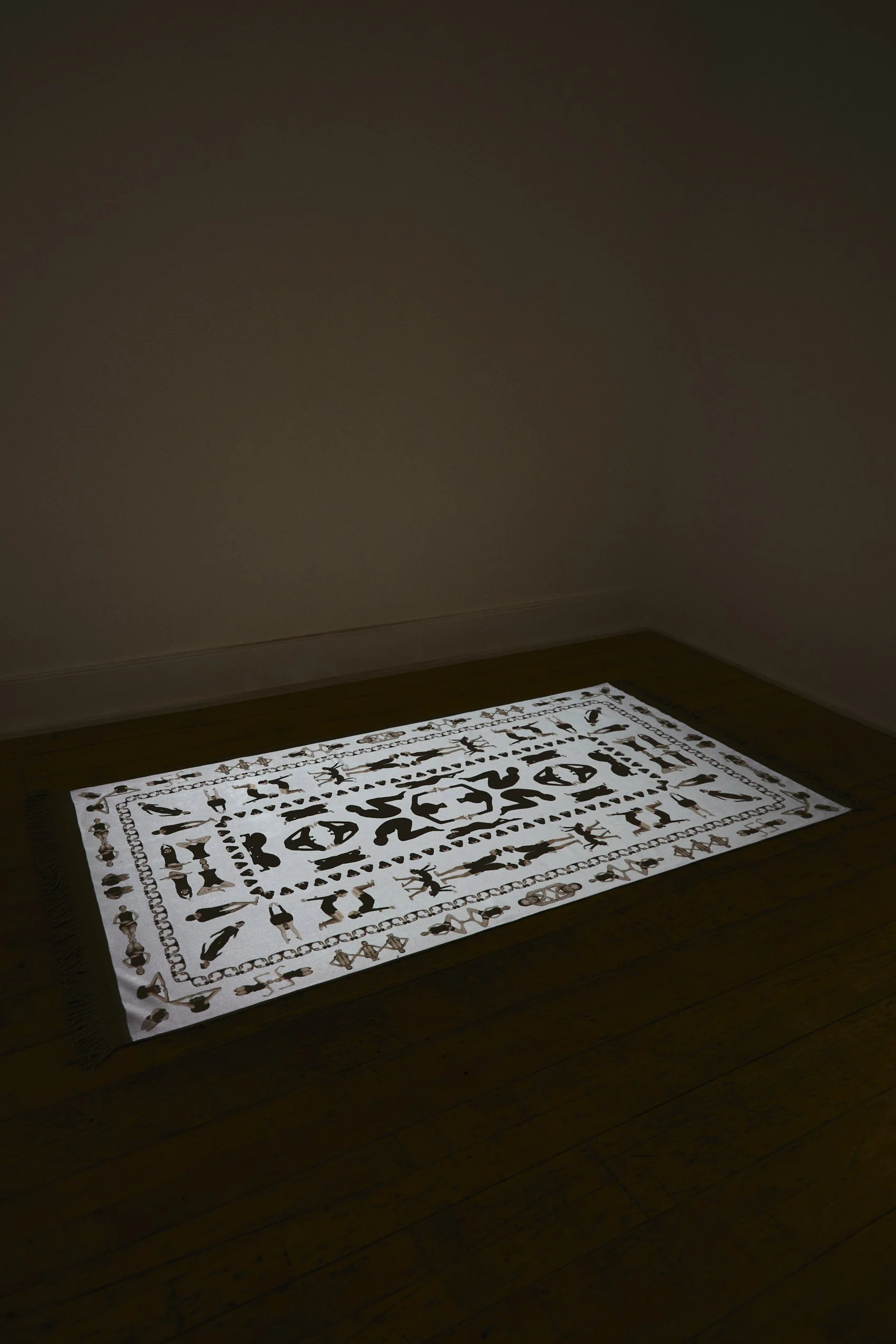
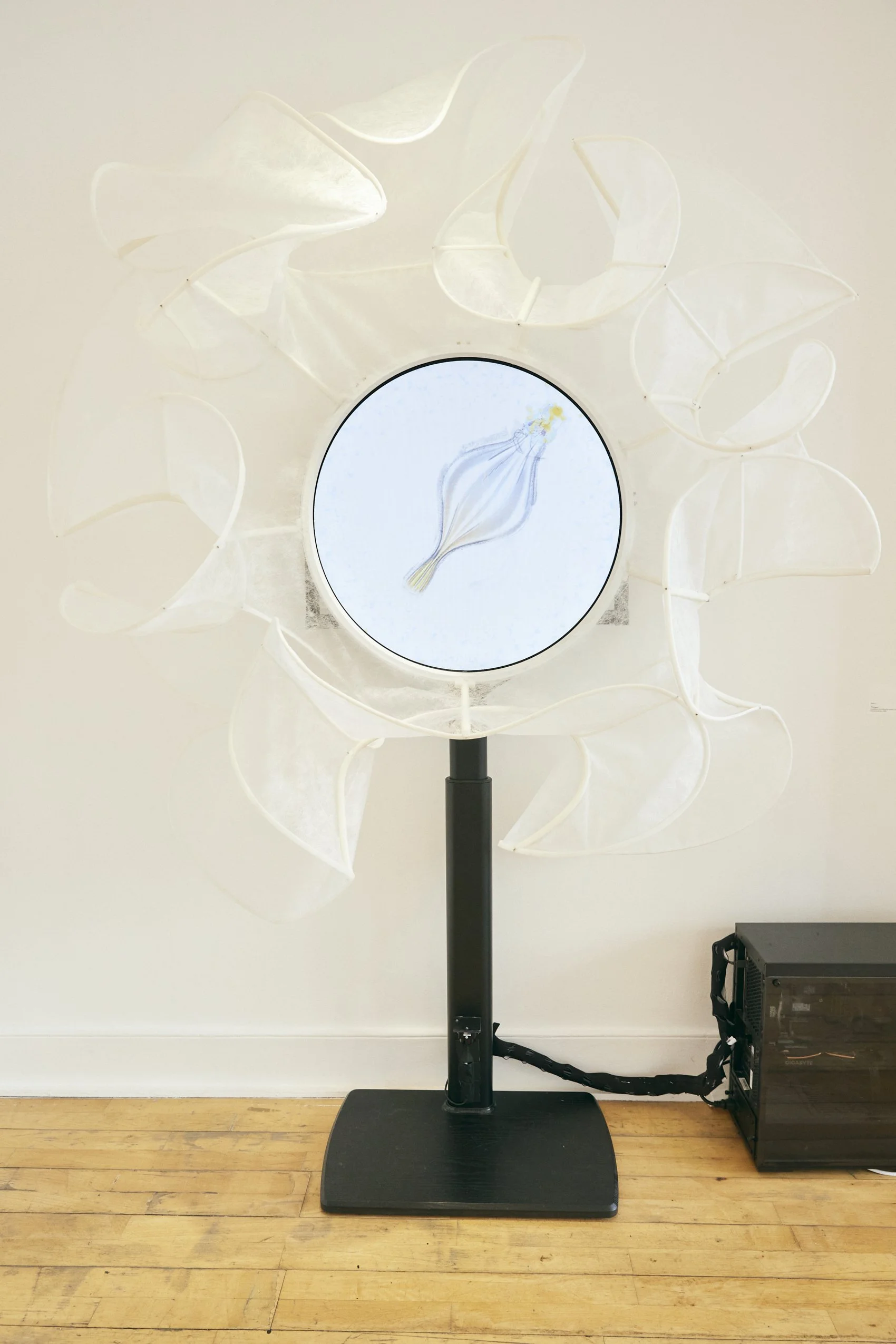
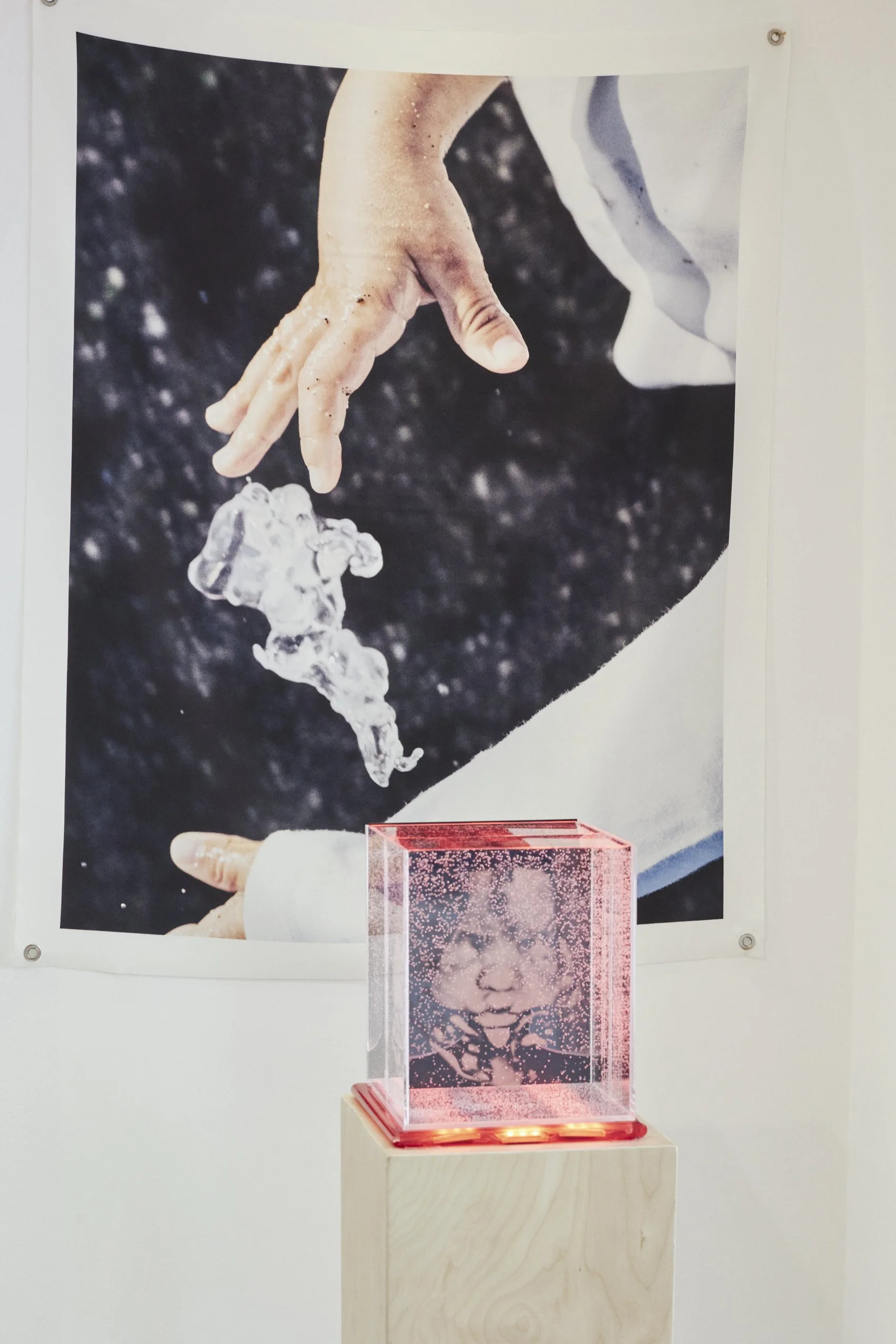
The exhibition moves fluidly between material and metaphor, shifting from historical traces to bodily experiences. In ‘Catharsis Cycle’, Özgül Arslan performs an act of renewal through movement, capturing the body’s ephemeral relationship with space and its struggle to define boundaries. The body as a site of memory and resistance is also central to Meltem Şahin’s ‘Woven Self’. Her digital carpet, informed by traditional weaving practices, encodes personal trauma and healing through time within its shifting patterns, demonstrating how technology and craft can intersect to tell stories of endurance. This act of purification resonates with Cemre Yeşil’s ‘Water Knows, Water Forgets’, which presents water as both a vessel of memory and an agent of dissolution. Yeşil’s use of the wet collodion process, where liquid is integral to developing an image, mirrors the nature of memory itself: fluid, unfixed, and in perpetual transformation. Seph Li's and Erol Eskici works reflect adaptation as resilience. Li’s interactive sculpture ‘Prologue’ draws from the life cycle of the jellyfish, a creature that reverts to its polyp stage under stress before regenerating anew. Visitors have the chance to influence the work’s ever-changing form, reinforcing the idea that transformation is shaped by external forces and collective efforts. Similarly, Eskici’s ‘Metamorphosis’ series, depicting aquatic ecosystems where organisms continuously shift between states of being, focuses on evolutionary flux. Hilal Polat’s ‘Hand’ goes back to Anatolian traditions of labour and spirituality, highlighting the sacredness of touch as a means of creation and connection. The symbolic power of hands is mirrored in Sarah Pickstone’s ‘Portal series’, which reinterprets a Greek vase motif of Maenads, presenting transformation as an untamed energy that resists containment. Through these intertwined narratives, 'Chrysalis of Rebirth' encourages viewers to view transformation as a state of flux that includes memory, adaptation, and the ongoing and infinite redefinition of self and space. Through their use of diverse media and themes, the artists create a space where destruction is not only temporary but also essential for rebirth. This exhibit also accepts the inevitability of becoming, seeing beauty in transformation and realising that rebirth is an ongoing and collective process.
Installation photos by Holly Whittaker